
I still remember sitting on a cracked airport bench at 2 a.m., missing a connecting flight, wondering why I ever thought chasing beautiful places across the world was a good idea. Then I stepped outside the terminal the next morning and saw mountains wrapped in fog for the first time in my life. That missed flight turned into one of my favorite travel memories, and it taught me something important: the best places rarely show up on your schedule the way you planned.
Over the years, travel stopped being a bucket list item for me and turned into something closer to a habit. Not the fancy, five-star kind of travel either. Mostly budget flights, questionable hostels, and a lot of walking in the wrong direction before finding the right street.
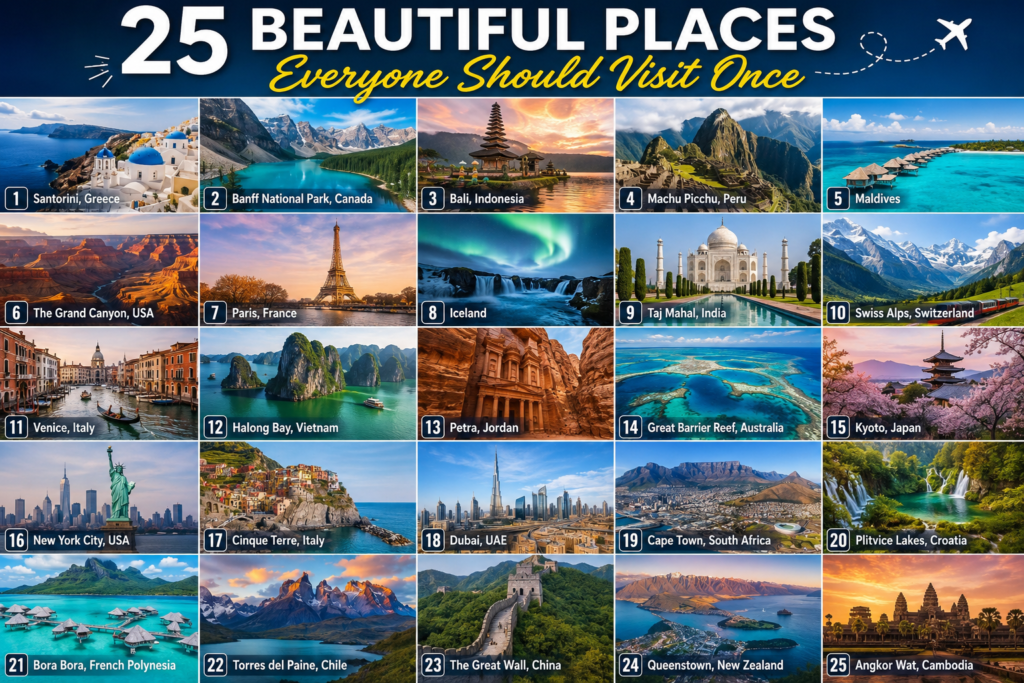
This list is not some generic “top places to visit” roundup pulled from other blogs. These are places I have either visited myself, heard detailed firsthand accounts about from people I trust, or researched deeply enough to know exactly why they deserve a spot on any traveler’s radar. Some are famous landmarks everyone recognizes on sight. Others barely make it onto typical lists at all, despite deserving just as much attention.
Grab a coffee, because this one is long. Twenty five places take a while to properly cover.
Why I Started Chasing These Places in the First Place
Honestly, it started with boredom more than adventure. A few years into a routine office job, every weekend started blending into the next one. Same coffee shop, same grocery store, same drive home.
A coworker mentioned she had just come back from Iceland and showed me a single photo of a waterfall surrounded by black volcanic rock. That one photo did something weird to my brain. I booked a flight within a week, with barely any plan beyond a rental car and a rough map.
That trip was messy, underprepared, and occasionally miserable thanks to freezing wind and a GPS that kept losing signal. It was also the most alive I had felt in years. After that, the travel habit just stuck.
Since then, the goal shifted from checking off famous landmarks to actually understanding what makes a place worth the trip in the first place. Some destinations earn their reputation through raw natural beauty. Others earn it through culture, food, or the strange feeling of standing somewhere completely unfamiliar. This list tries to represent all of those categories, rather than sticking to one type of destination.
Friends often ask how I afford this much travel on a fairly average income. The honest answer involves a lot of budget flights, off-season timing, and accepting that not every trip needs five-star accommodation to feel worthwhile. A clean hostel with a great location often beats an expensive hotel stuck far from anything interesting.
How I Actually Picked These 25 Places
This list avoids the trap of just listing the most Instagrammed spots on the planet. A few filters shaped the final selection.
Each place needed something beyond a nice photo. Either a unique landscape, a cultural experience worth the trip alone, or a feeling that stuck with people long after leaving. Overly commercialized tourist traps got skipped, even famous ones, unless they genuinely earned their reputation.
Accessibility mattered too. Every place on this list can realistically be visited by an average traveler with some planning, rather than requiring extreme expeditions or restricted permits available only to a lucky few.
The 25 Places Worth Seeing at Least Once
1. Santorini, Greece
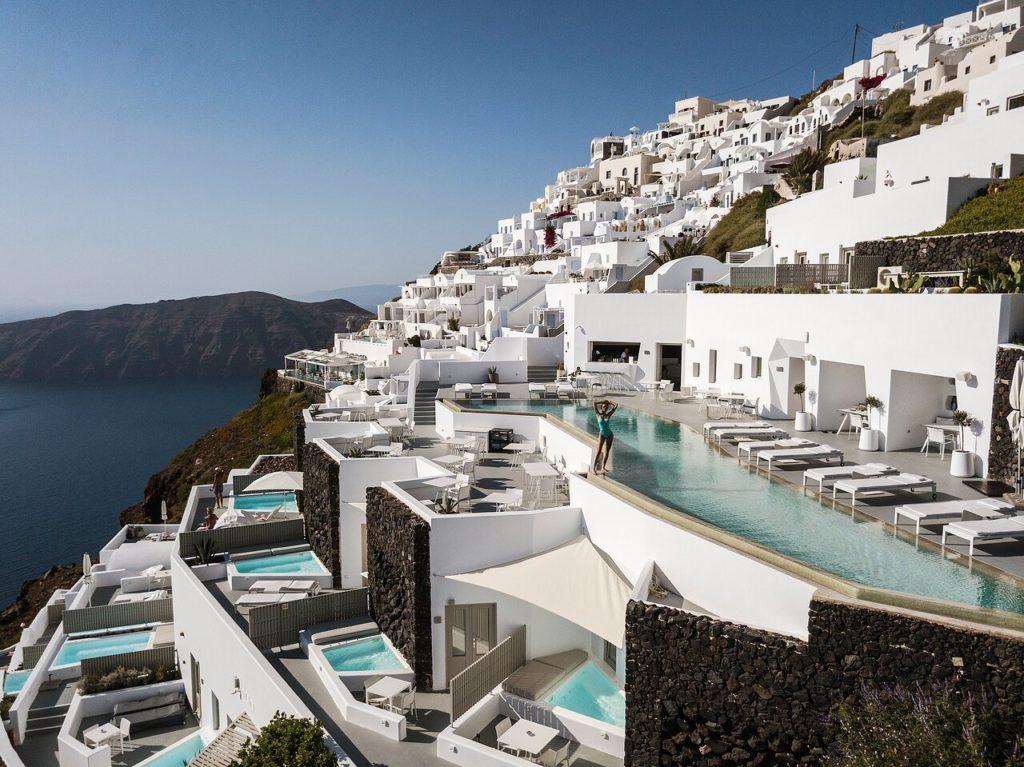
White buildings against blue domes look almost fake in photos, yet somehow look even better in person. Sunset from Oia gets crowded, so arriving an hour early secures a decent spot along the caldera wall.
2. Kyoto, Japan
Kyoto balances ancient temples with quiet residential streets in a way few cities manage. Walking through the Arashiyama bamboo grove early morning, before tour groups arrive, feels like stepping into a different century entirely.
3. Banff National Park, Canada
Turquoise lakes surrounded by jagged mountains sound exaggerated until you see Moraine Lake in person. Visiting outside peak summer months helps avoid the parking chaos that regularly shuts down the main lot by mid-morning.
4. Marrakech, Morocco
The medina swallows first-time visitors whole, in the best way possible. Getting lost in the narrow alleys near Jemaa el-Fnaa square leads to spice markets, tiny cafes, and rooftop views that never show up on a map.
5. Machu Picchu, Peru
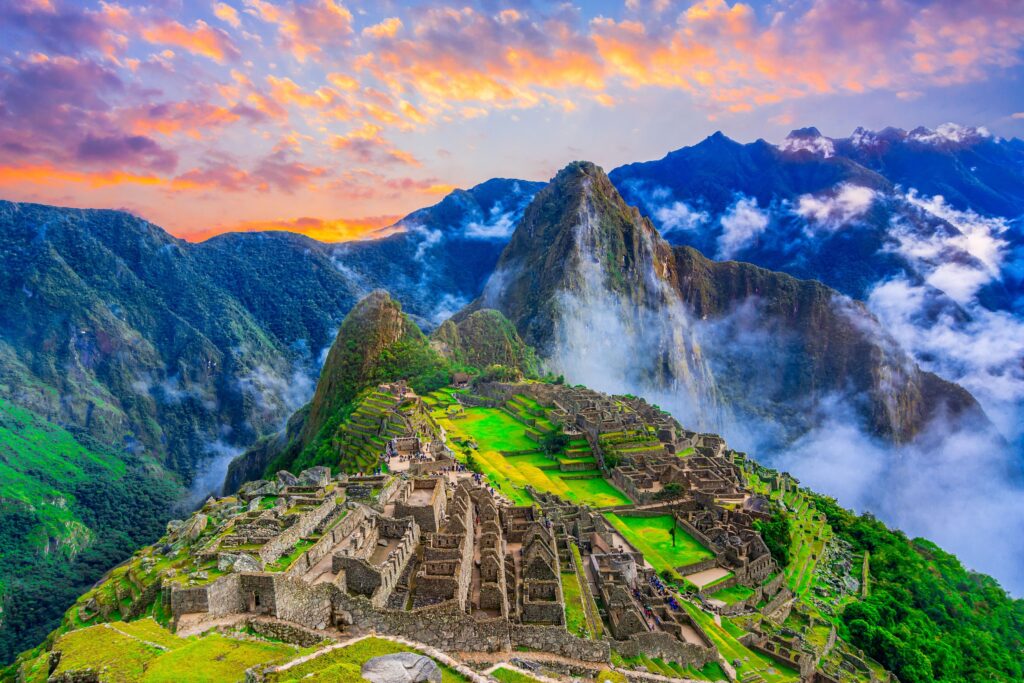
Reaching the Sun Gate at sunrise after a multi-day trek delivers a payoff that photos genuinely cannot capture. Booking permits months ahead matters, since daily visitor numbers are limited and tickets sell out fast during peak season. Spending a night or two in Cusco beforehand also helps with altitude adjustment, something plenty of first-time visitors underestimate until headaches and nausea hit halfway up the trail.
6. The Amalfi Coast, Italy
Winding cliffside roads connecting Positano, Amalfi, and Ravello offer some of the most dramatic coastal views in Europe. Taking the local ferry between towns instead of driving avoids both traffic and the stomach-churning hairpin turns.
7. Reykjavik and the Golden Circle, Iceland
Reykjavik works as a base for exploring geysers, waterfalls, and the Blue Lagoon within a single day trip loop. Renting a car offers far more flexibility than organized tours, especially for chasing the northern lights on clear nights.
8. Bali, Indonesia
Rice terraces in Tegalalang and temples like Tanah Lot show up on every travel feed for good reason. Venturing beyond the busy Kuta area toward Ubud reveals a quieter, more grounded side of the island.
9. Cape Town, South Africa
Table Mountain views, penguin colonies at Boulders Beach, and coastal drives along Chapman’s Peak pack a surprising amount of variety into one city. A cable car ride up Table Mountain works best early morning, before clouds roll in and obscure the summit.
10. Petra, Jordan
Walking through the narrow Siq canyon and catching the first glimpse of the Treasury carved into rose-colored rock creates one of travel’s genuine jaw-drop moments. Visiting during Petra by Night adds candlelit paths and a completely different atmosphere. Wearing proper hiking shoes matters more than most guides mention, since the site involves far more walking across uneven ground than the entrance photos suggest.
11. The Scottish Highlands, Scotland
Rolling green hills, misty lochs, and ancient castles make this region feel pulled straight from a film set. Isle of Skye alone offers enough dramatic scenery to fill several days of exploring.
12. Halong Bay, Vietnam

Limestone karsts rising out of emerald water create a landscape unlike almost anywhere else on earth. An overnight boat cruise allows for sunrise views over the bay that day-trippers completely miss.
13. Santa Fe, New Mexico
Adobe architecture, high desert light, and a genuinely unique art scene set Santa Fe apart from typical American cities. Canyon Road alone houses more galleries than most people expect from a city this size.
14. The Great Barrier Reef, Australia
Snorkeling or diving among coral reefs teeming with color feels genuinely surreal the first time. Choosing a smaller boat tour over massive commercial operations usually means less crowded reef sections and more personal attention, and Cairns or Port Douglas both work as convenient launch points depending on which section of the reef you want to explore.
15. Prague, Czech Republic
Prague Castle towering over the Vltava River, combined with the medieval old town below, makes this one of Europe’s most visually consistent cities. Crossing Charles Bridge at sunrise avoids both crowds and the street performers competing for attention later in the day.
16. Zhangjiajie National Forest, China
Towering sandstone pillars draped in mist inspired the floating mountains in a well known animated film, and seeing them in person explains exactly why. The glass bridge and skywalk are not for anyone afraid of heights.
17. Salar de Uyuni, Bolivia
The world’s largest salt flat turns into a giant mirror during rainy season, creating optical illusions that genuinely mess with depth perception. Dry season instead offers vast white landscapes perfect for surreal perspective photography, and a multi-day tour combining the salt flat with nearby colored lagoons and flamingo colonies makes the long journey to this remote corner of Bolivia well worth the effort.
18. Cinque Terre, Italy
Five colorful cliffside villages connected by hiking trails and a small train line pack incredible views into a compact area. Hiking between towns instead of taking the train, at least for one or two legs, rewards effort with the best coastal panoramas.
19. Queenstown, New Zealand
Surrounded by mountains and a stunning lake, Queenstown works as an adventure base for bungee jumping, hiking, and some of the most scenic drives anywhere in the country. Milford Sound sits close enough for an unforgettable day trip.
20. Dubrovnik, Croatia
Massive stone walls encircling the old town, combined with terracotta rooftops meeting the Adriatic Sea, explain why this city became such a popular filming location. Walking the city walls early morning avoids both heat and crowds later in the day.
21. The Northern Lights in Tromso, Norway
Watching green and purple light ripple across a dark Arctic sky ranks among the most genuinely humbling natural experiences out there. Clear, cold nights away from city lights offer the best viewing odds, and patience matters more than any app or tracker.
22. Chefchaouen, Morocco
Every wall, staircase, and door in this small mountain town gets painted in varying shades of blue, creating a genuinely dreamlike atmosphere. Wandering without a set destination works better here than following any specific route, since the best photo spots tend to appear randomly around corners rather than at any marked landmark.
23. Yosemite National Park, USA
Granite cliffs, waterfalls, and ancient sequoias combine into one of the most impressive national parks on the planet. Visiting in late spring catches waterfalls at peak flow, before summer heat reduces them to a trickle. Tunnel View offers one of the most rewarding first impressions of any national park entrance in the country, worth a stop even for those short on time.
24. Angkor Wat, Cambodia
The largest religious monument on earth deserves every bit of its reputation, especially at sunrise when the temple silhouette reflects across the surrounding pond. Hiring a local guide adds historical context that easily gets missed wandering alone.
25. The Faroe Islands
Dramatic cliffs, grass-roofed houses, and waterfalls dropping directly into the ocean make this remote island chain feel like a secret few travelers know about yet. Weather changes fast here, so building flexibility into any itinerary saves a lot of frustration.
Real Lessons Learned From Chasing These Places
Some of the biggest lessons came from mistakes rather than successes.
Underestimating altitude before visiting Machu Picchu led to a rough first day filled with headaches and exhaustion that could have been avoided with a couple days of acclimatization in Cusco beforehand. Skipping that step is a common and avoidable mistake.
Renting a car in Iceland without checking insurance coverage for gravel roads turned into an expensive lesson after a small windshield chip during a storm. Reading the fine print on rental insurance now happens before every single trip, without exception.
Visiting Santorini during peak August heat meant fighting through crowds for every decent photo spot. Shoulder season months like May or late September deliver nearly identical weather with a fraction of the tourists.
Step-by-Step: Planning a Trip to Any of These Places on a Budget
Getting to bucket list destinations does not require unlimited funds. A consistent process makes these trips far more achievable than people assume.
Track Flight Prices Instead of Booking Immediately
Apps like Google Flights and Skyscanner allow price tracking over weeks or months before booking. Waiting for a genuine price drop rather than booking out of impatience has saved hundreds of dollars on multiple trips.
Travel During Shoulder Season
Visiting just before or after peak tourist months usually means lower prices, thinner crowds, and often better weather than either the packed summer season or the harsh off season extremes.
Use Flexible Date Searches
Flying a day or two earlier or later than originally planned frequently drops prices significantly. Google Flights and Skyscanner both offer flexible date calendars that make comparing options simple.
Book Accommodations With Free Cancellation
Booking.com and Hostelworld both allow free cancellation on most listings, which means locking in a reasonable rate early while still keeping options open if a better deal appears later.
Research Local Transportation Before Arriving
Apps like Rome2Rio map out every transport option between destinations, including buses, trains, and ferries, often revealing far cheaper alternatives than the first taxi or tour option that comes up in a search.
Common Mistakes to Avoid When Visiting These Places
Overpacking the itinerary ranks as one of the most common mistakes travelers make. Trying to squeeze five destinations into a single week usually means rushing through each one without actually absorbing anything, leaving trips that feel exhausting rather than fulfilling.
Ignoring travel insurance seems harmless until something actually goes wrong. A missed flight, lost luggage, or minor injury abroad can turn into a massive financial headache without proper coverage in place beforehand.
Skipping local research before arrival often leads to missing smaller, more meaningful experiences in favor of only the obvious tourist spots. A little reading ahead of time, even just an hour browsing travel blogs or forums, usually uncovers details that guidebooks skip entirely.
Overreliance on curated social media photos sets unrealistic expectations for how crowded or different a place might actually look in person. Managing expectations beforehand prevents the disappointment that sometimes follows famous, heavily photographed locations.
Forgetting to check visa requirements until the last minute has ruined more than one trip for people who assumed entry would be simple. Checking requirements months in advance avoids unnecessary stress closer to departure.
Underpacking for weather extremes causes more discomfort than people expect, especially in places like Tromso or Banff where temperatures swing drastically between day and night. Layering clothing rather than relying on a single heavy jacket tends to handle these shifts far better, since layers can be added or removed as conditions change throughout the day.
What I Actually Pack for Trips Like These
Gear matters less than people assume, but a few items consistently earn their spot in the bag after enough trips.
A portable charger has saved more travel days than any other single item, especially during long flights or full days of hiking where phone battery drains fast from photos and navigation apps. Anker makes a compact one that has survived years of rough handling in checked luggage and backpacks alike.
Offline maps downloaded through Google Maps before arrival prevent the panic of losing signal in remote areas like the Faroe Islands or rural stretches of the Scottish Highlands. Data roaming is not always reliable, and cellular dead zones show up in places that otherwise look perfectly connected on paper.
A universal power adapter avoids the last-minute airport scramble that has happened at least three separate times before finally remembering to pack one permanently. Keeping it in the same travel bag pocket every single trip solved that problem for good.
Packing cubes sound like a minor detail until actually using them. Separating clothes, toiletries, and electronics into individual cubes makes unpacking in a rush, whether for an early flight or a hostel checkout, far less chaotic than digging through one giant bag.
Quick Answers to Common Travel Questions
What is the best time of year to visit most of these places?
Shoulder season, generally the months just before or after peak summer or winter, tends to offer the best mix of good weather, lower prices, and thinner crowds across nearly every destination on this list.
Do these places require expensive guided tours?
Not usually. Many, including Petra, Machu Picchu, and Angkor Wat, benefit from a local guide for historical context, but plenty of destinations like Chefchaouen or the Amalfi Coast are just as rewarding explored independently.
How far in advance should flights get booked?
Tracking prices for two to three months before an international trip usually reveals the best window for booking, though this varies depending on the destination and time of year.
Is travel insurance really necessary for trips like these?
Yes, especially for destinations involving hiking, remote areas, or multi-country itineraries where a missed connection or minor injury could otherwise turn into a significant financial setback.
What Ties All 25 Places Together
Looking back at this list, a pattern becomes obvious. Every single place on it offers something that cannot be fully captured through a screen, no matter how good the photo or video looks.
Standing at the edge of Moraine Lake, walking the Siq toward Petra’s Treasury, or watching the northern lights ripple overhead in Tromso all share the same quality. They demand presence. A photo captures a fraction of the moment, but being physically there delivers something a screen simply cannot replicate.
That is really the whole point of a list like this one. Not to check boxes or collect photos for social media, but to experience something genuinely worth remembering.
Final Thoughts
Twenty five places sounds like a lot until the list actually gets written out, and even then it barely scratches the surface of what exists out there. Every traveler ends up building their own version of this list eventually, shaped by personal interests, budget, and whatever random photo or story sparks that first spontaneous flight booking.
Start with just one place from this list. Save toward it, plan around shoulder season pricing, and build the itinerary slowly rather than rushing. The rest of the list has a way of following naturally once that first trip happens.
Whichever place gets picked first, keep expectations realistic and leave room for the unplanned detours. Some of the best memories from every trip mentioned here came from moments that never made it onto any original itinerary in the first place.